Choosing the right clothes for children requires careful consideration of both style and practicality. Parents must balance their child's preferences with the need for comfort and durability.
Understanding how to select versatile pieces and appropriate fabrics can make a significant difference. Furthermore, involving children in the shopping process can empower them.
As the seasons change, these factors become even more critical. The next steps will clarify how to navigate these choices effectively.
How can parents effectively gauge their child's style preferences? Observing their reactions to various clothing items is essential. Parents should pay attention to colors, patterns, and styles that spark excitement or disinterest. Conversations about favorite characters, themes, or trends can provide valuable insights.
Additionally, allowing children to express themselves through outfit choices during playtime fosters independence and creativity. Parents might also consider involving children in shopping trips, encouraging them to select items that resonate with their tastes.
Ultimately, understanding a child's style preferences requires patience, open communication, and a willingness to embrace their unique fashion sense, fostering self-expression and confidence.
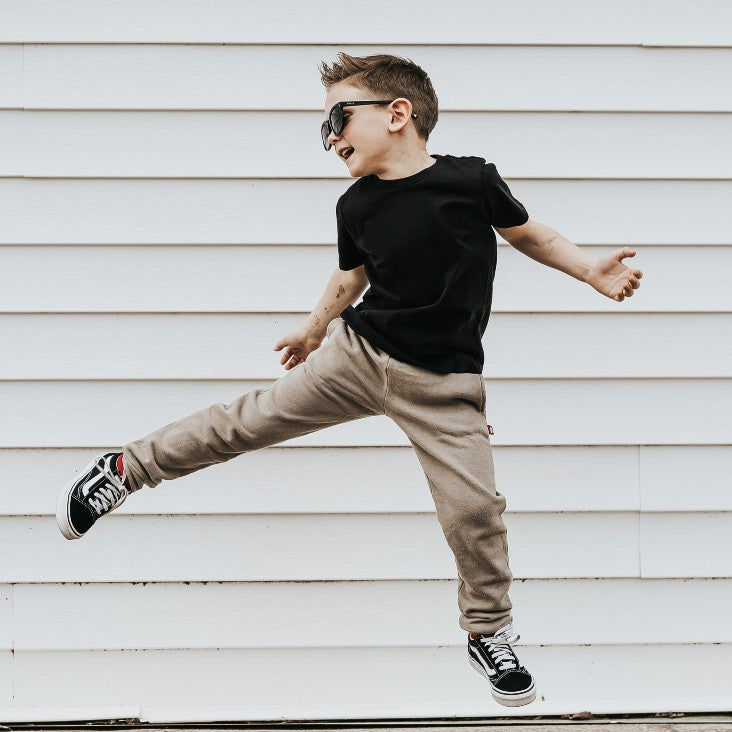
Comfort and fit are paramount when selecting children's clothing, as they directly impact a child's ability to play and explore freely. Parents should consider materials that allow for movement, such as cotton and jersey, which provide breathability and stretch.
Proper sizing is vital; clothes that are too tight can restrict activity, while overly loose garments may lead to tripping hazards. Additionally, adjustable waistbands and elastic cuffs can enhance fit and comfort.
Prioritizing these factors guarantees that children not only look good but also feel comfortable, promoting confidence and encouraging active play throughout their day.
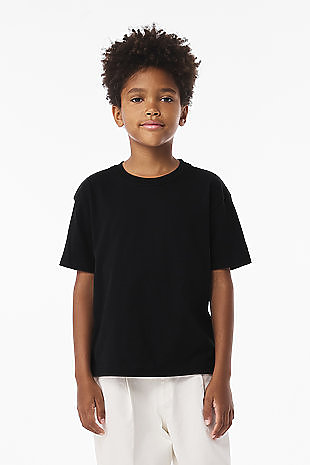
When selecting children's clothing, versatility plays an essential role, particularly for layering. Parents should look for items that can be easily mixed and matched, such as lightweight cardigans, basic tees, and versatile leggings. Neutral colors and patterns allow for seamless coordination with other pieces, enhancing outfit options.
Additionally, incorporating items like zip-up hoodies or vests can provide warmth without bulk. Choosing layers that fit well over and under other garments guarantees comfort and freedom of movement.
This approach not only promotes creativity in outfit styling but also adapts to changing weather, making it a practical choice for active children.
What makes a fabric suitable for active play? Durability is paramount, as children engage in various activities that can wear down clothing quickly. Fabrics such as cotton blends, polyester, and nylon offer strength and resilience against tears and abrasions.
Additionally, moisture-wicking properties help keep kids dry during energetic play, while breathability guarantees comfort. Stretchy materials, like spandex, allow for unrestricted movement, essential for active lifestyles.
It's also important to take into account easy care; fabrics that are machine washable and resistant to fading retain their appeal despite frequent use. Overall, selecting the right fabrics enhances both performance and longevity in kids' wardrobes.
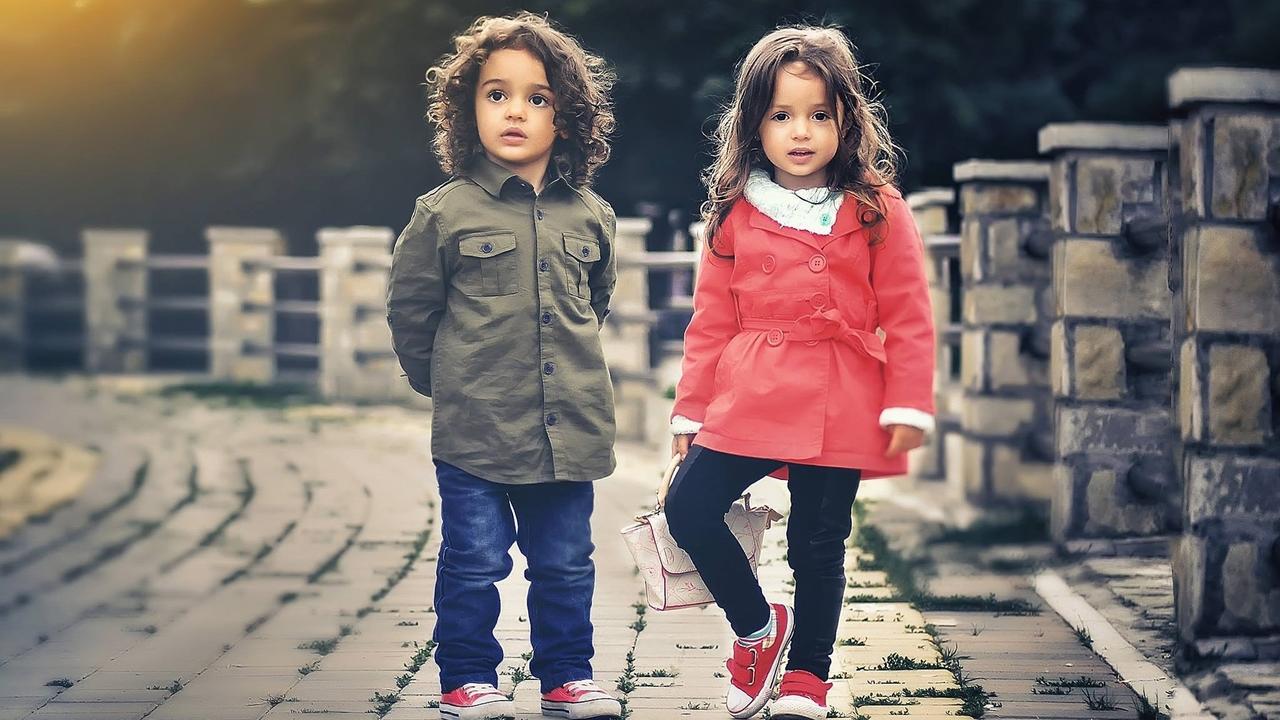
As the seasons change, so do the clothing needs of children, necessitating a thoughtful approach to their wardrobes. Parents should assess the specific requirements of each season, opting for breathable fabrics in warmer months and layered options for colder climates.
Additionally, staying informed about current fashion trends can help create stylish outfits that reflect children's personalities while ensuring practicality. Consider versatile pieces that can shift between seasons, such as lightweight jackets or cozy sweaters.
By balancing seasonal necessities with trendy elements, parents can curate a functional and fashionable wardrobe that keeps children comfortable and confident throughout the year.
Involving children in the shopping process can enhance their connection to their wardrobe, allowing them to express their individuality while ensuring their clothing choices meet practical needs. By inviting kids to participate, parents can foster a sense of ownership and confidence in their style.
This engagement also encourages children to contemplate factors like comfort and appropriateness for various occasions. Additionally, parents can guide their children to understand budget constraints and the importance of versatile pieces.
Ultimately, a collaborative shopping experience can result in a wardrobe that reflects the child's personality while aligning with the family's values and practical requirements.
To determine a child's correct clothing size, one should measure their height, chest, waist, and hips using a flexible measuring tape. Comparing these measurements to the sizing charts provided by clothing brands can help identify the appropriate size. It is also advisable to take into account the child's growth patterns, opting for slightly larger sizes if they are between measurements. Trying on clothes when possible guarantees a proper fit and comfort.
To involve children in sustainable fashion choices, parents can encourage them to participate in selecting eco-friendly clothing by visiting thrift stores or choosing brands that prioritize sustainability. Engaging in discussions about the importance of recycling textiles and the impact of fast fashion can also foster awareness. Additionally, crafting sessions where kids create or upcycle their own clothes can make the experience enjoyable and educational, instilling a sense of responsibility toward their fashion choices.
Yes, there are numerous eco-friendly options for children's clothing. Many brands now offer garments made from organic cotton, bamboo, and recycled materials, which reduce environmental impact. Additionally, second-hand shops and clothing swaps can provide sustainable choices while promoting reuse. Parents can also look for certifications such as GOTS (Global Organic Textile Standard) when purchasing new clothes. By choosing these options, caregivers can contribute to a healthier planet for future generations.